Deputy Minister of Science Emphasizes Skills-Based Higher Education and the Link Between University and Employment
The Deputy Minister of Science, Research and Technology emphasized the continuation of educational activities at universities across the country under challenging circumstances, describing skills-based higher education and strengthening the connection between academic studies and employment as key priorities for the university system.
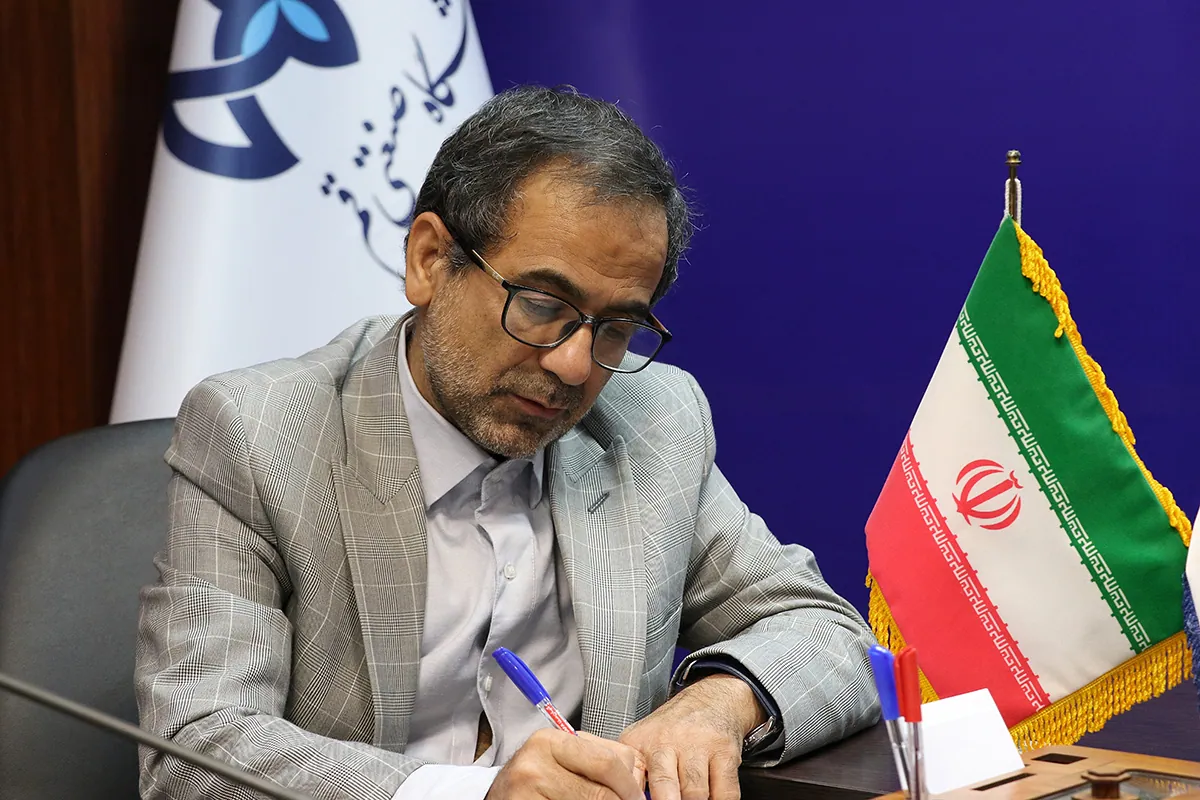
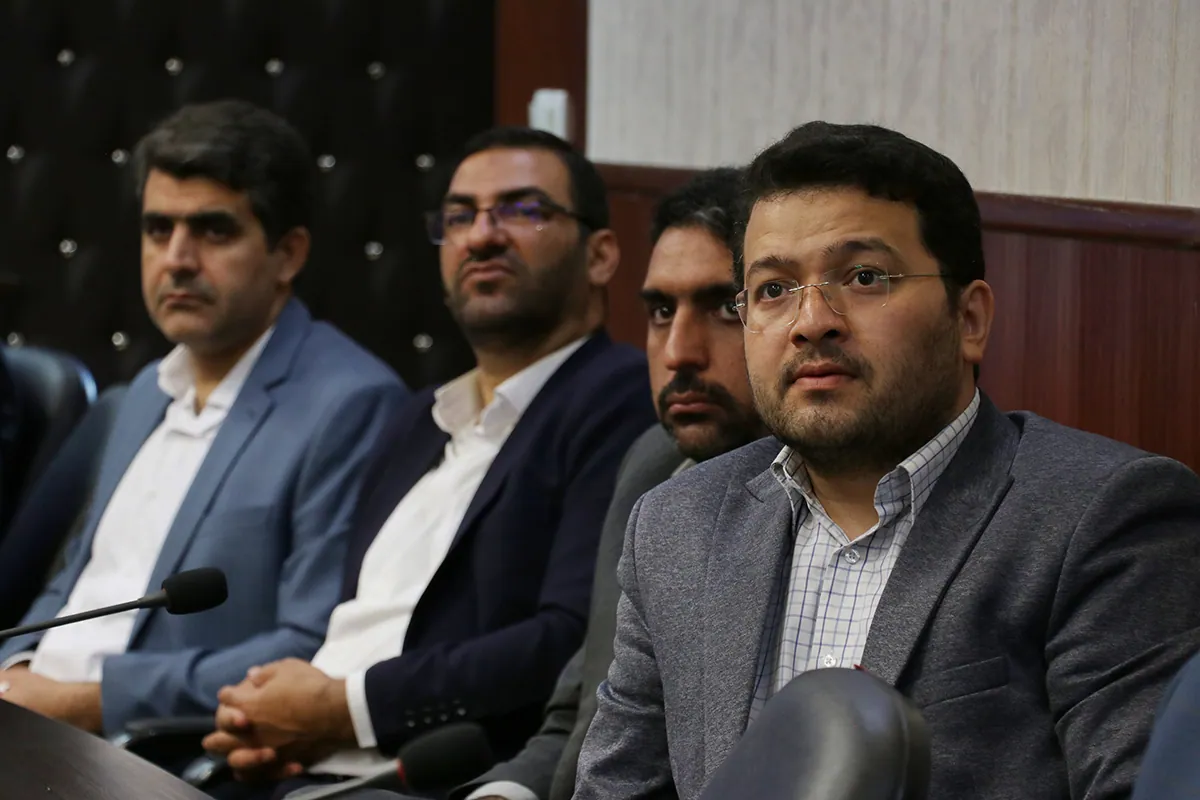
According to the Public Relations Office of Qom University of Technology, Dr. Vahedi, Deputy Minister of Science, Research and Technology, visited Qom University of Technology and attended a meeting to review the university's educational affairs. During the meeting, he praised faculty members and university staff for their efforts to maintain educational activities under difficult circumstances and emphasized the importance of preserving the quality of in-person education, strengthening practical skills training, and utilizing higher education capacities to support national development.
Referring to the challenges caused by wartime conditions and expressing condolences over the deaths of students during the 12-Day War and the Ramadan War, Dr. Vahedi stated that wartime conditions had not extinguished the light of knowledge in the country and that online education had remained possible even under those circumstances.
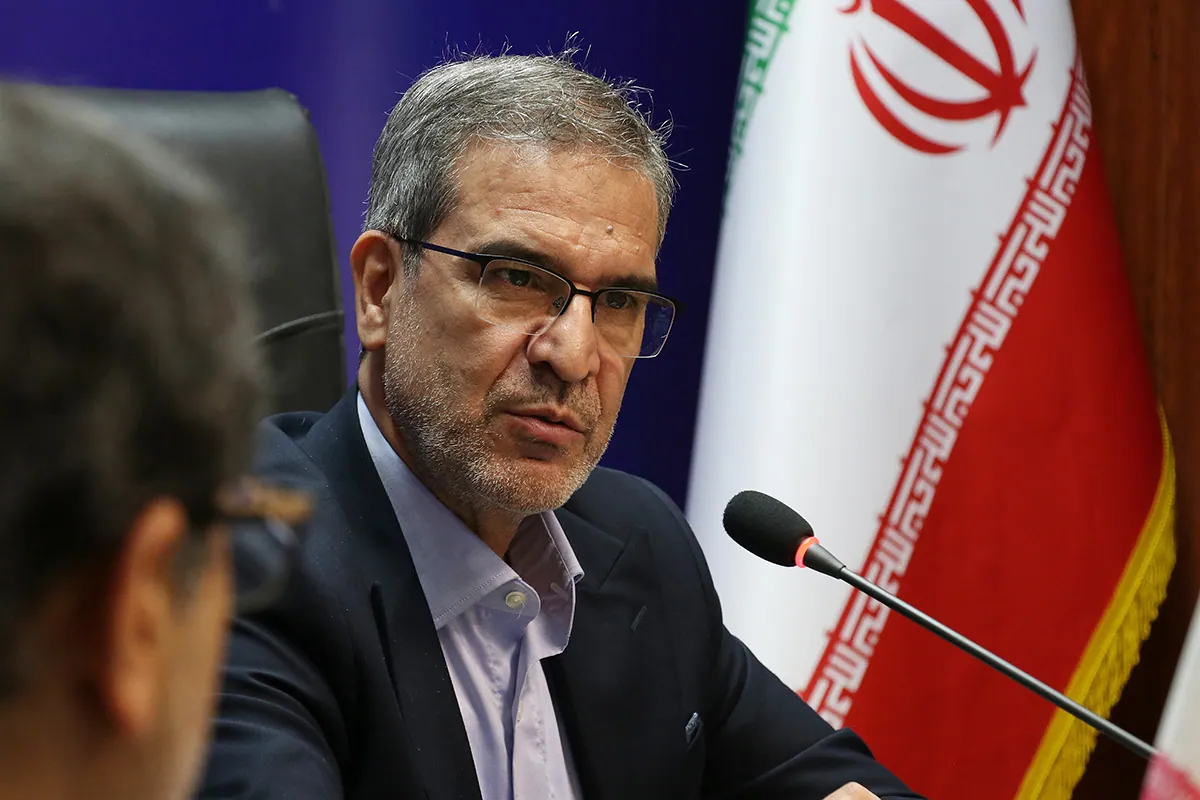
Expressing appreciation for the faculty members and staff of Qom University of Technology, as well as universities across the country for their efforts to prevent interruptions in education, he described the continuation of academic activities as the result of the responsibility and cooperation of the university community and stressed the importance of recognizing these efforts.
Continuity of In-Person Education: A Priority for Universities
Highlighting the importance of maintaining in-person education at universities, the Deputy Minister of Science, Research and Technology stated that universities continue their activities under normal conditions, with classes being held with high levels of attendance and participation. He said universities are expected to make every effort to preserve this progress and ensure the continuation of in-person educational activities.
Emphasizing the importance of students' active participation in university life, he described the continuation of academic activities as a key factor in maintaining the country's scientific vitality. He also stressed the need to utilize university capacities to improve educational quality and respond to society's scientific and professional needs.
Iranian Higher Education: A National Achievement in Expanding Educational Opportunities
In another part of his remarks, Dr. Vahedi highlighted the capacities and achievements of the country's higher education system, stating that Iranian higher education has a distinguished history. Its achievements can be seen in indicators such as student enrollment, the number of faculty members, and expanded access to university education—opportunities that, according to him, were not available on the same scale before the Islamic Revolution.
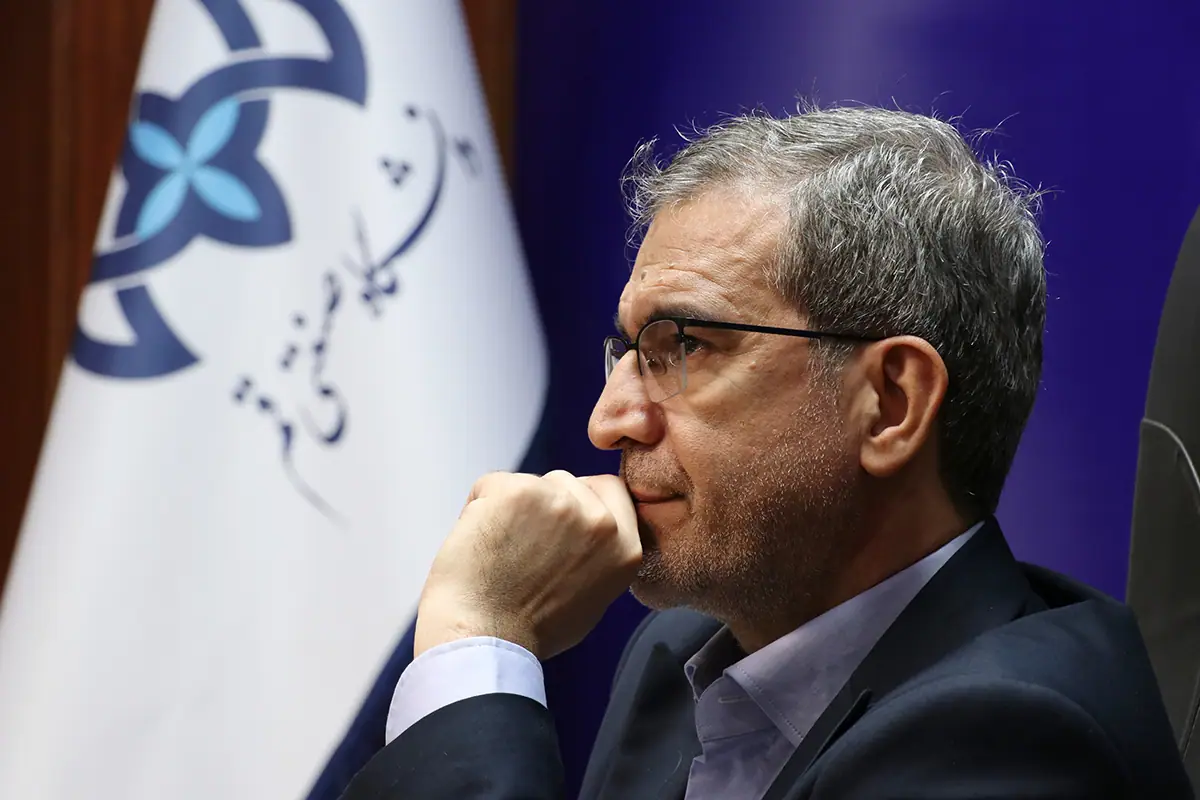
Referring to approximately 2,200 educational institutions operating across different sectors of the country's higher education system, including around 170 public institutions, he highlighted the extensive reach of higher education and its capacity to train a skilled workforce.
The Deputy Minister described the quantitative expansion of higher education as one stage of progress and emphasized the importance of educational quality, the effectiveness of academic programs, and the alignment of graduates' abilities with society's needs and the labor market.
Skills Development and Graduate Employment: Connecting Universities with National Development
Referring to employment statistics for graduates at different academic levels, Dr. Vahedi called on Qom University of Technology to examine the factors influencing these indicators and to create conditions for preserving and strengthening existing achievements.
Emphasizing the direct relationship between employment and national growth, he noted that educating graduates alone is not sufficient. Higher education must also play a role in creating employment opportunities and ensuring the effective use of graduates' academic and professional capabilities.
The Deputy Minister of Science also emphasized the need to move toward skills-based education, stating that 40 percent of educational programs offered by higher education institutions should be devoted to skills development.
Under this approach, universities should focus not only on theoretical knowledge but also on developing practical abilities, strengthening professional skills, and preparing students for effective entry into the labor market. This approach can improve the effectiveness of higher education and strengthen connections between universities, industry, and other sectors of the economy.
The Role of Faculty Members in Achieving National Scientific Development Goals
Dr. Vahedi went on to appreciate the efforts of professors and faculty members across the country, describing Iran's scientific and educational achievements as the result of the dedication, expertise, and sustained efforts of the academic community.
Referring to the objectives outlined in the Sixth Development Plan and the achievement of approximately 65 percent of its targets, he considered this level of progress significant and worthy of recognition. He stressed the need for continued efforts to improve the country's scientific standing and achieve the development goals of higher education.
During the meeting, Dr. Ghanbari, President of Qom University of Technology, welcomed Dr. Vahedi, Deputy Minister of Science, Research and Technology, and his accompanying advisor. He described the previous year as a challenging period for the country's education system due to wartime conditions.
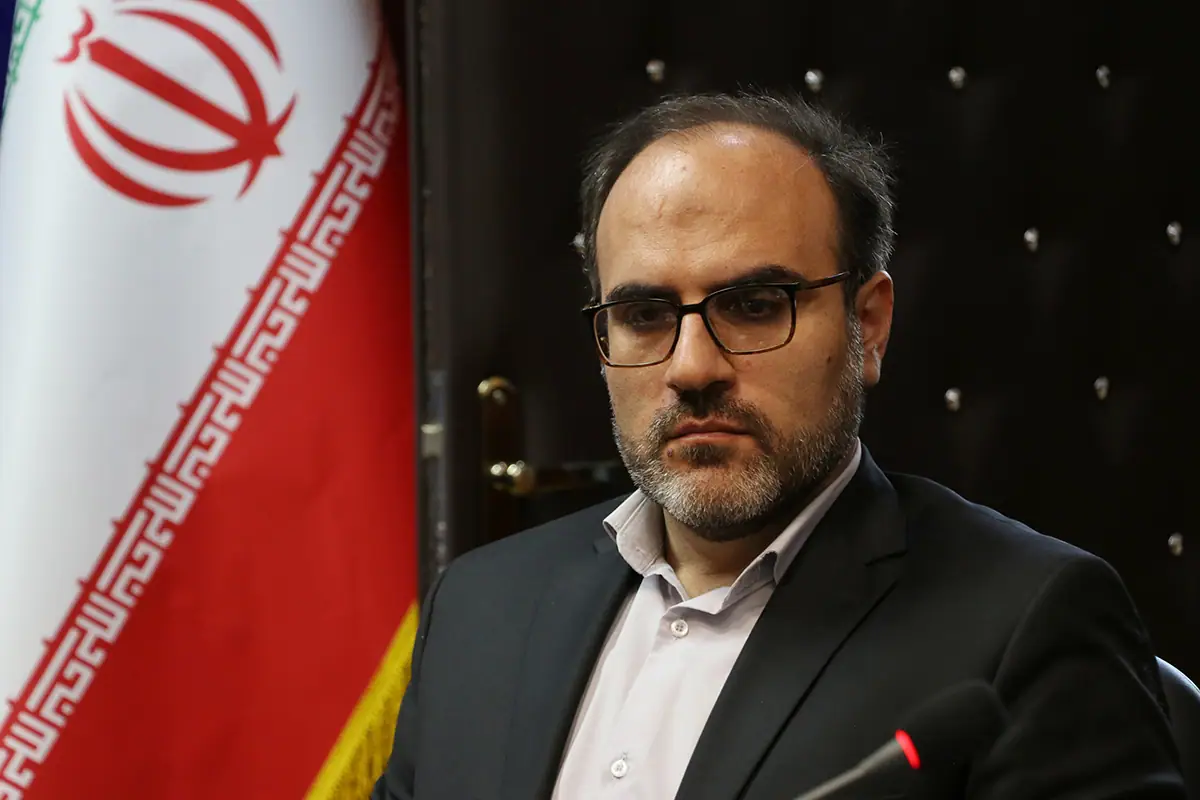
Paying tribute to the martyrs, combatants, commanders, and the late martyred Leader of the Revolution, he also remembered Martyr Amirhossein Khodaei and Martyr Hossein Mehdi, emphasizing the importance of honoring their memory and sacrifices.
Referring to the history of Qom University of Technology, Dr. Ghanbari stated that the university began its activities in 2008 with two academic programs: Computer Engineering and Industrial Engineering. Relying on its young and talented faculty members, the university has continued to grow and develop at both provincial and national levels.
Dr. Ghanbari identified the acquisition of the university's property deed, its selection for university-industry collaboration initiatives, and its leading rankings in information technology, smart systems, and security as some of the institution's achievements and honors.
Highlighting the university's scientific and professional capabilities, he expressed hope that Qom University of Technology would play a more effective role as a driving force in higher education, contributing to scientific development, the training of skilled professionals, and addressing society's needs at both provincial and national levels.
During another part of the program, Dr. Mohammad Fadaei, Deputy for Education and Research at Qom University of Technology, presented a report on the university's current educational and research activities and its major achievements in these areas.
The report outlined the university's existing capacities and conditions in education and research, providing a basis for examining challenges, identifying issues, and discussing ways to improve educational performance.
Discussion of Educational Issues and a Visit to the University
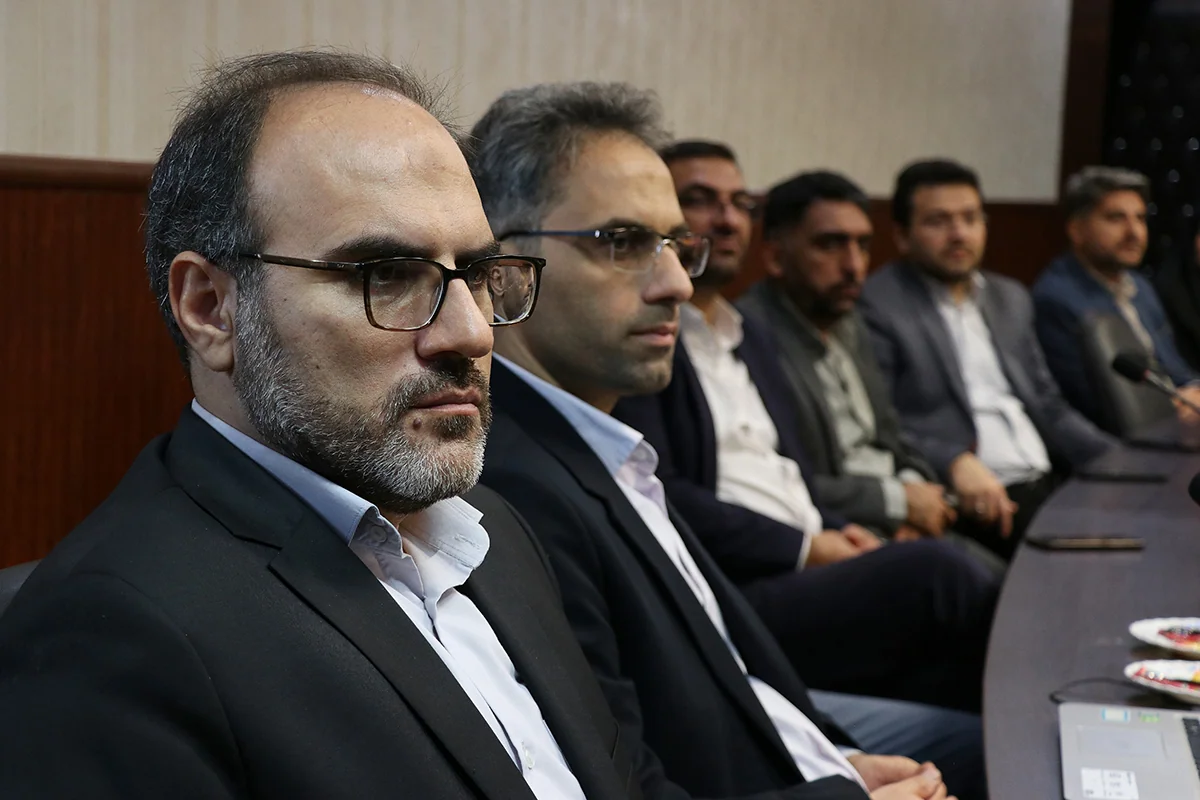
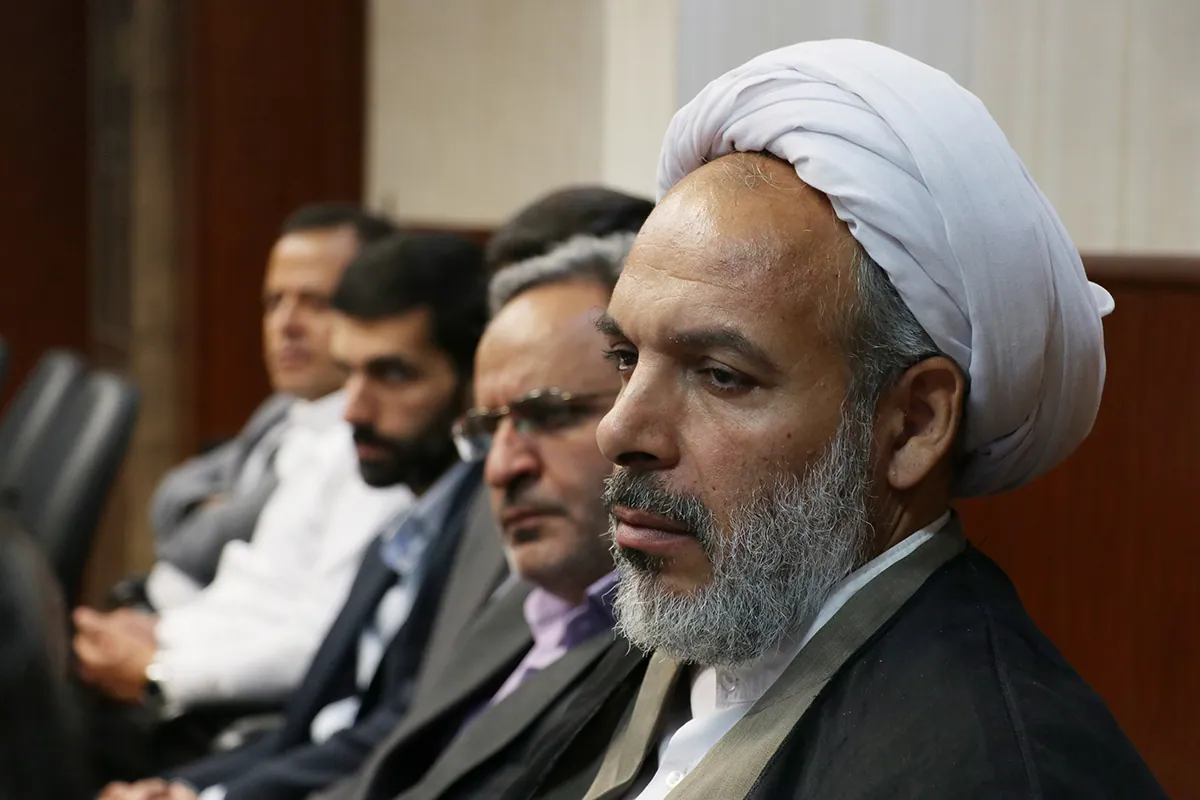
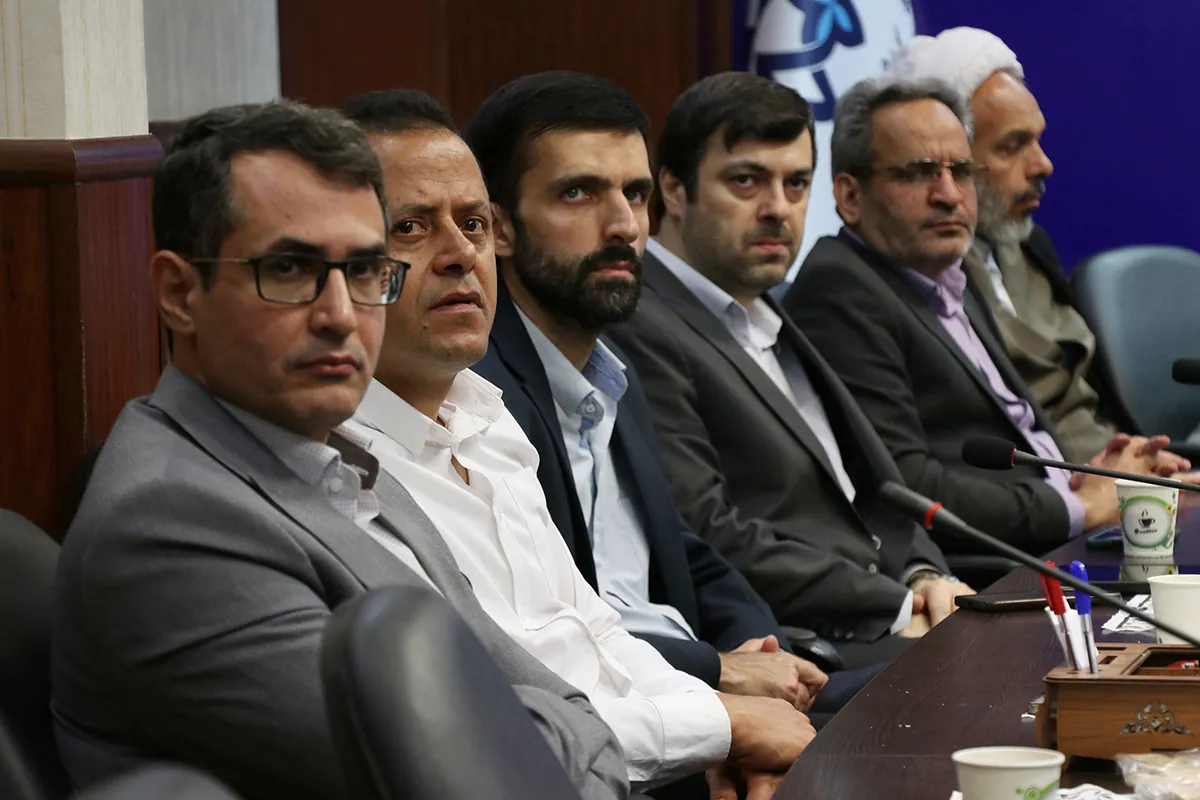
During the meeting, participants exchanged views on educational issues and presented their perspectives and suggestions for improving academic processes and enhancing the university's performance.
At the end of the program, Dr. Vahedi, Deputy Minister of Science, Research and Technology, toured Qom University of Technology and became familiar firsthand with the institution's capacities and current conditions.
The visit was conducted to review the university's educational situation, discuss higher education issues and needs, and explore ways to improve educational quality, skills development, and the role of universities in national development.