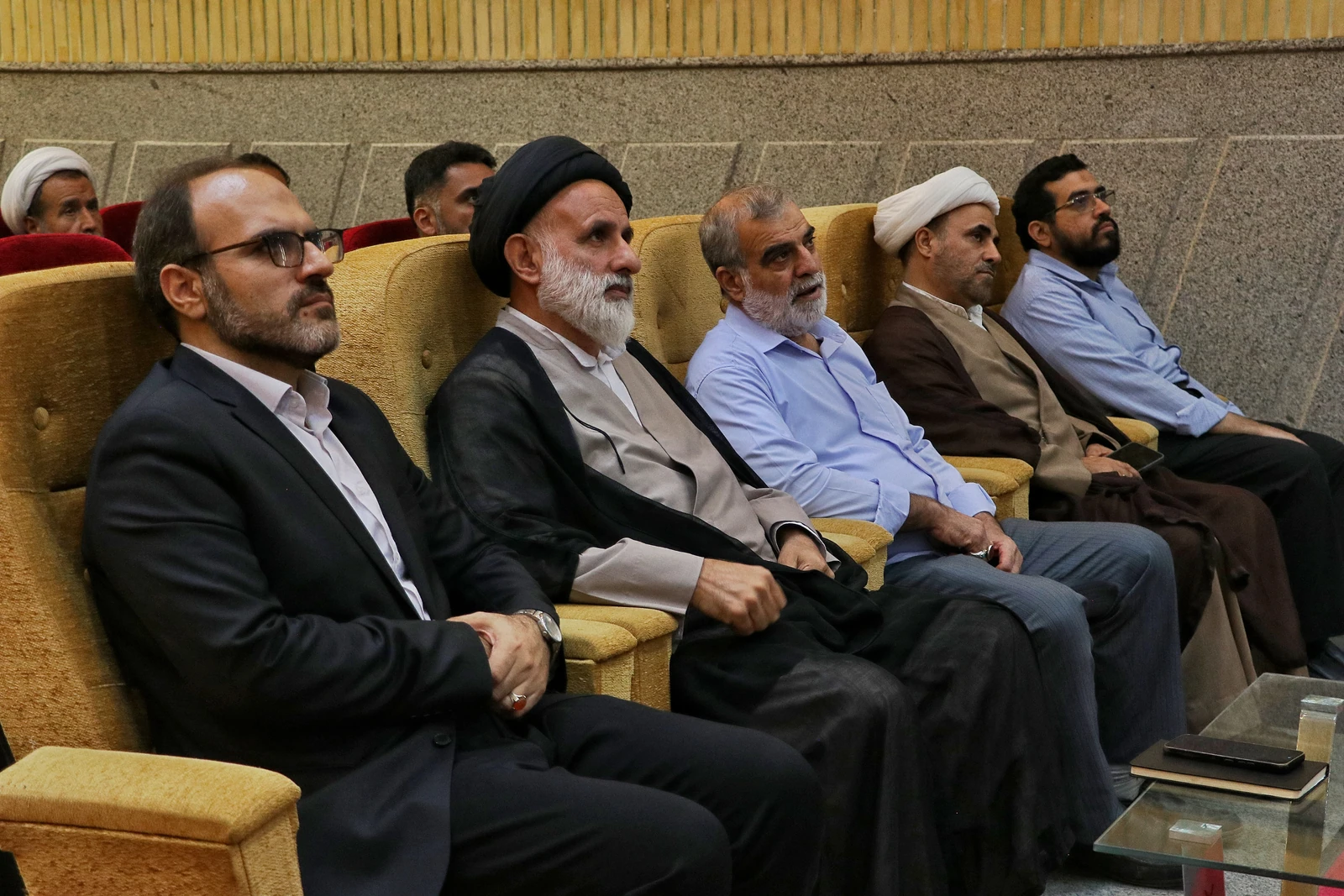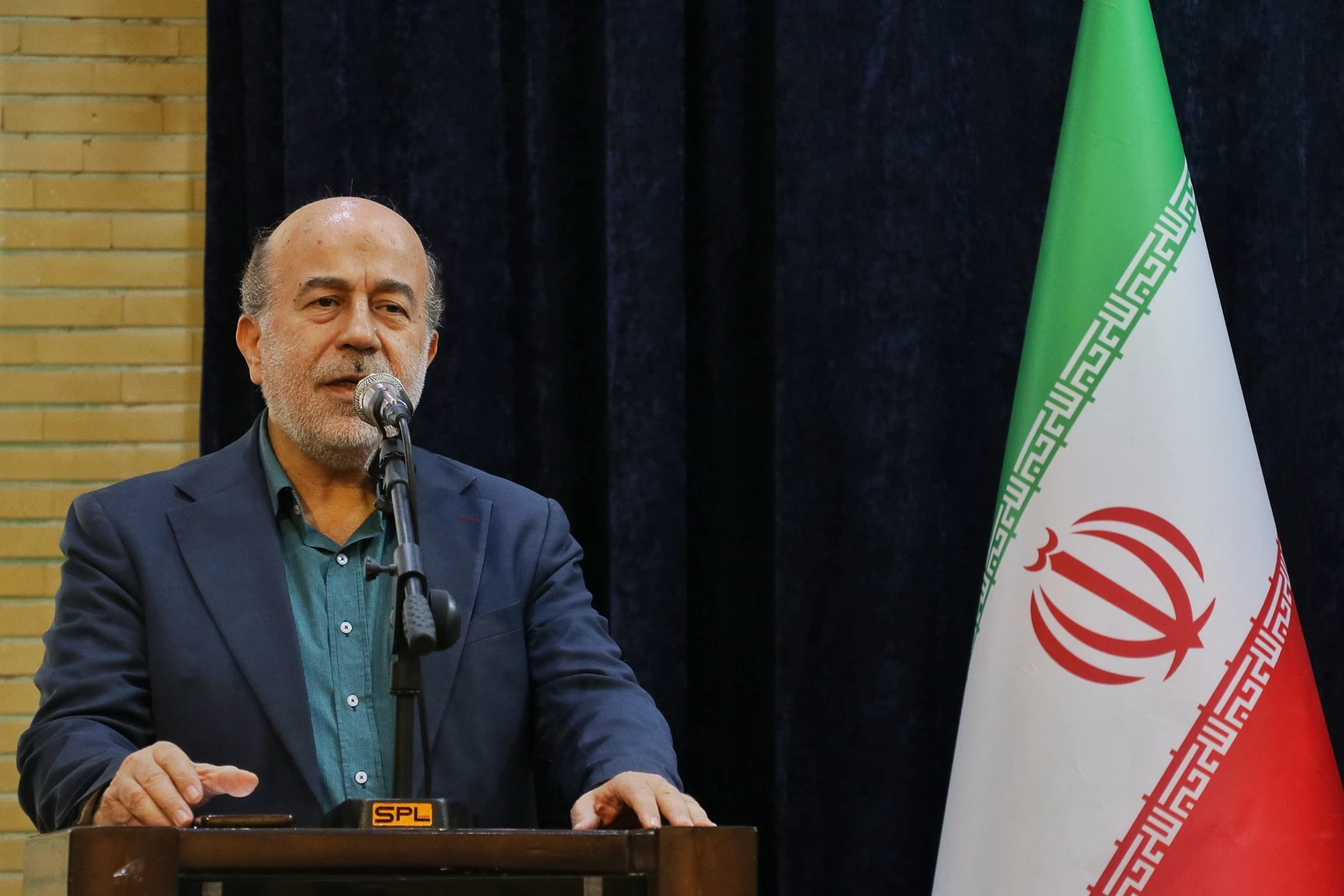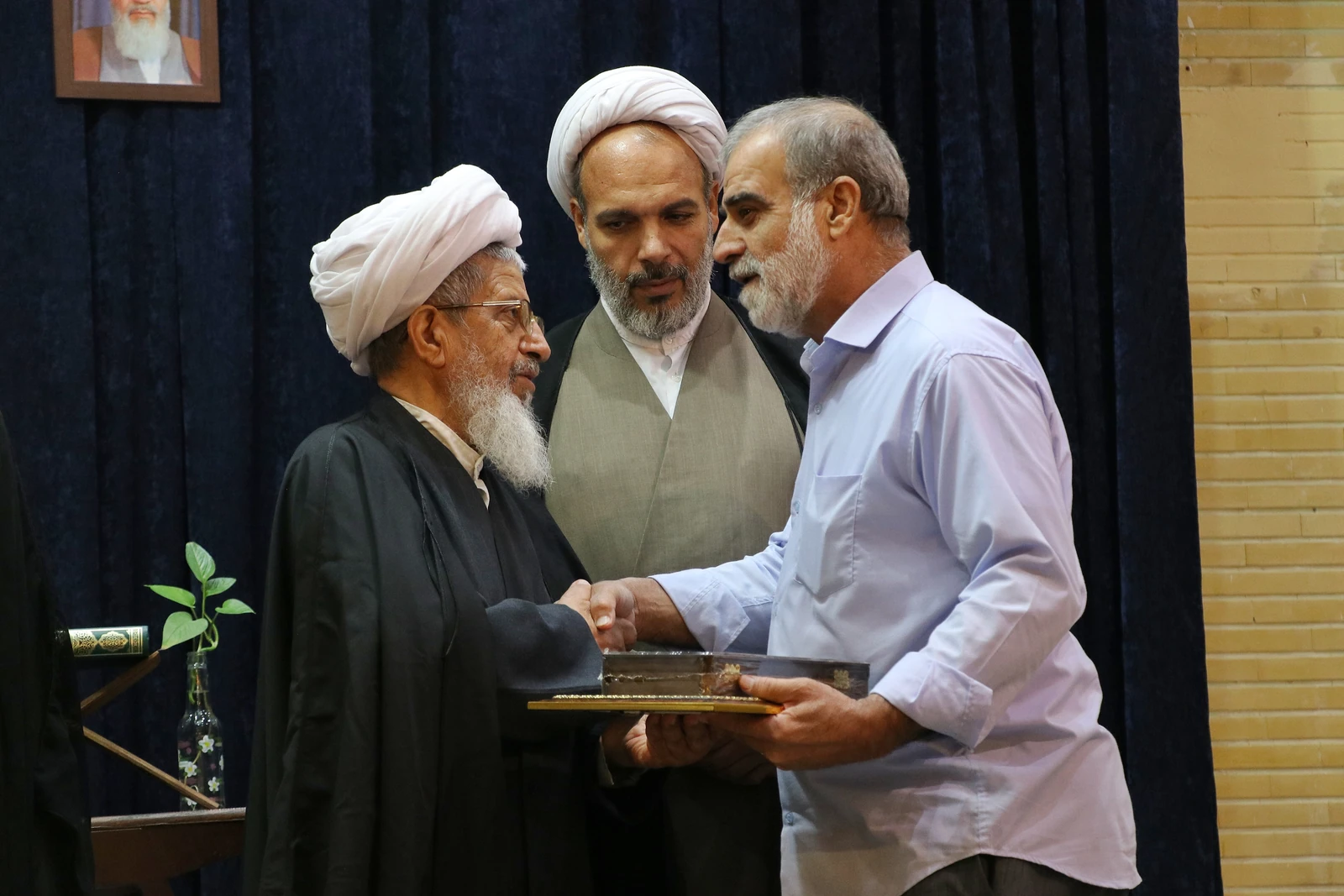
A commemoration ceremony for the martyred leader of the Islamic Revolution was held at Qom University of Technology.
According to the Public Relations Department of Qom University of Technology, a commemoration ceremony for the martyred leader of the Islamic Revolution was held at the university. The event was attended by Hojjatoleslam Seyyed Mazaher Hosseini, Director General of Protocol at the Office of the Supreme Leader, and Haj Hossein Maleki, the *muezzin* and *mokabber* (prayer caller and prayer leader's assistant) of the Imam Khomeini *Hosseiniyeh*, and featured a eulogy recital by Haj Abbas Heydarzadeh.
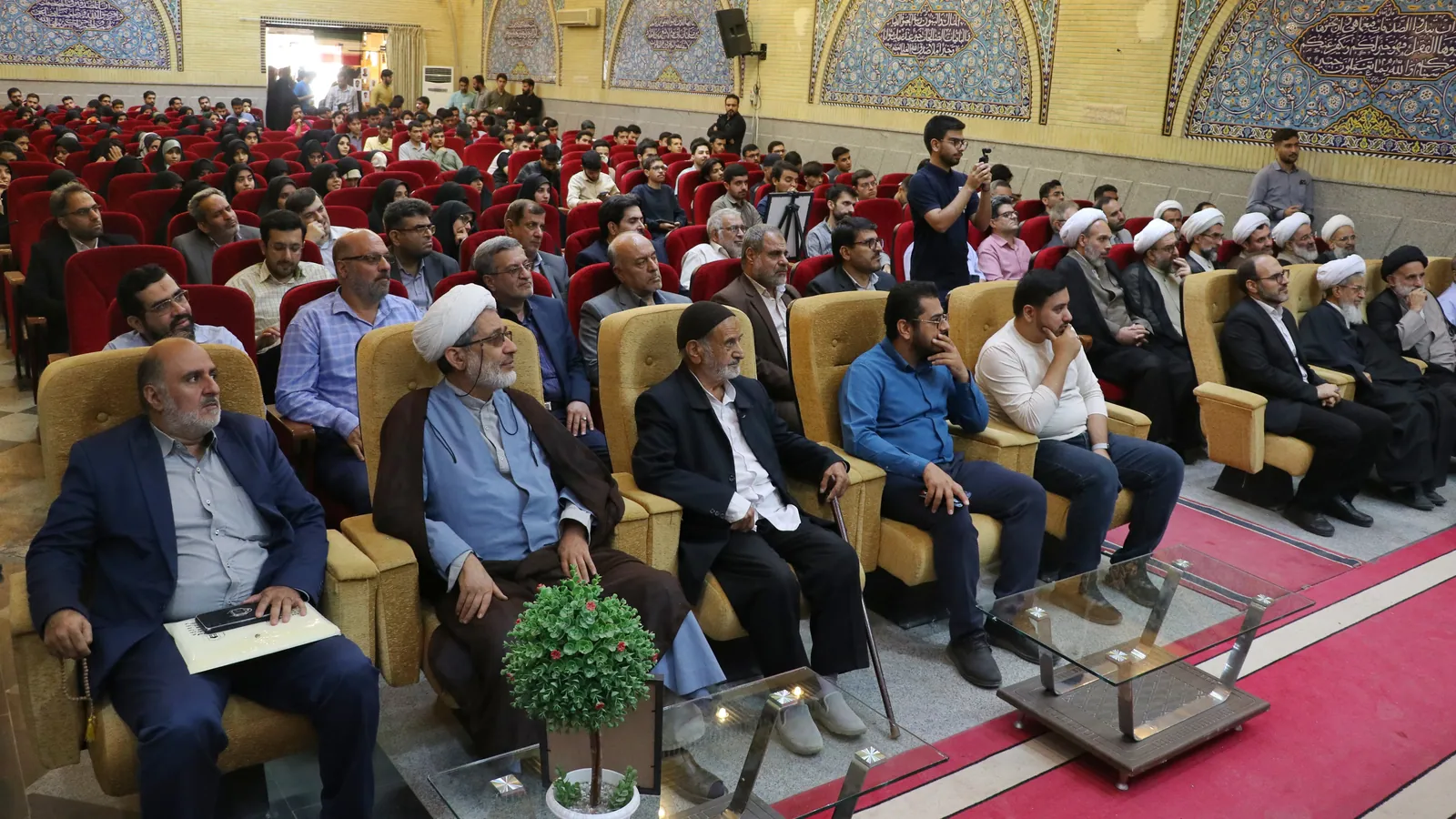
This ceremony was held with the aim of revisiting the personal, scholarly, and ethical dimensions of the martyred leader of the Islamic Revolution and elucidating her way of life, while emphasizing the significance of knowledge, the university, and the responsibilities of the academic community in the country's path toward progress and excellence.
Emphasis on understanding the practical conduct of the martyred leader of the Revolution.
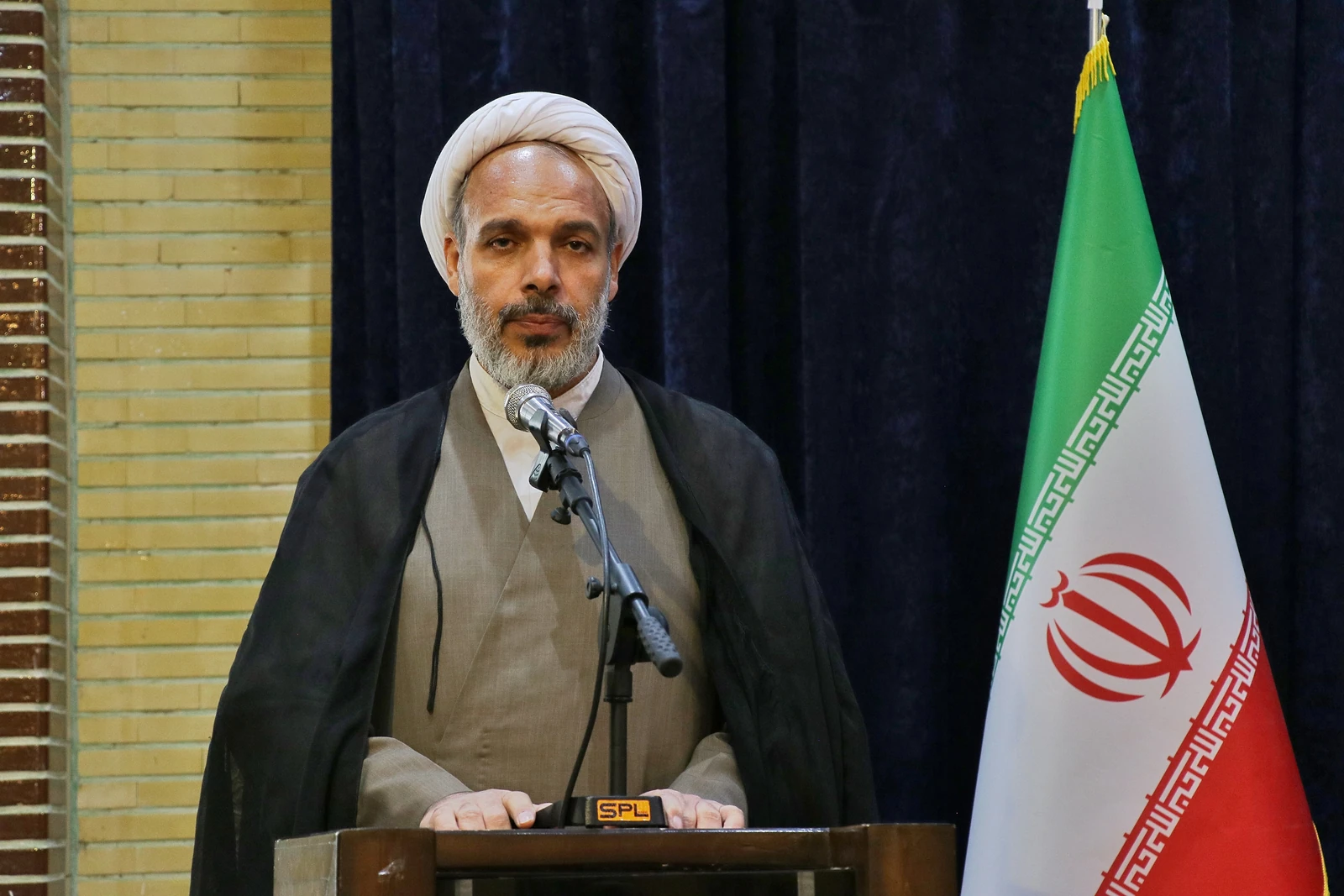
At the beginning of the ceremony, Hojjatoleslam val-Moslemin Ali Mohebbi, Head of the Supreme Leader’s Representative Office at Qom University of Technology, highlighted the need for a deeper understanding of the personality and practical conduct of the Revolution’s martyred leader. He emphasized the importance of conveying his values, ideals, and ideas to the younger generation and the academic community. Describing the university as a key hub for cultivating committed, expert, and impactful human resources, he underscored the role of students and faculty in upholding the ideals of the Islamic Revolution and advancing the country's scientific progress.
A Retrospective of the Memories and Lifestyle of the Revolution's Martyred Leader
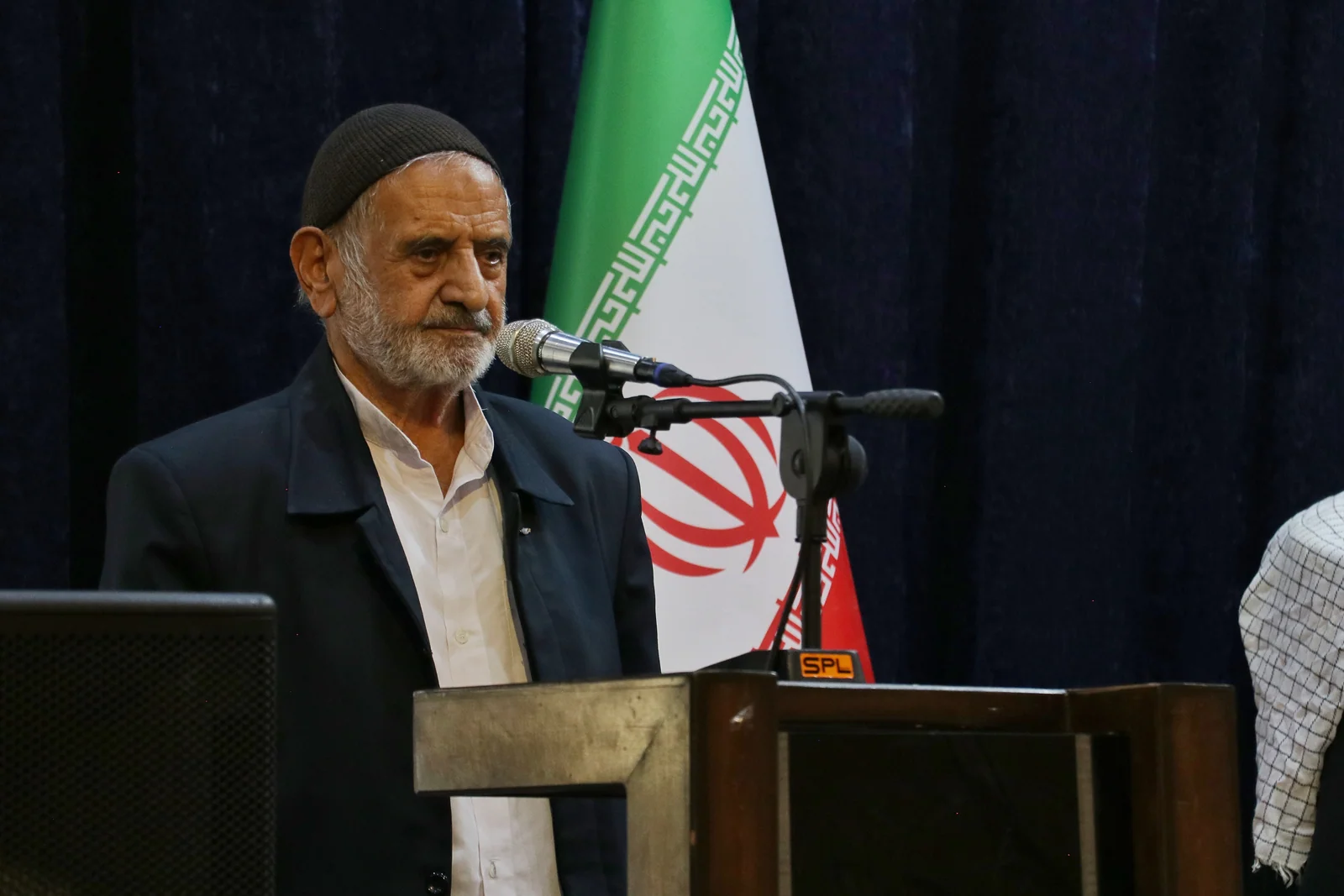
Subsequently, Haj Hossein Maleki—the *mu'adhdhin* (caller to prayer) and *mukabbir* (leader of the *Takbir*) of the Imam Khomeini *Hosseiniyeh*—recited the *adhan*, evoking the spiritual and memorable atmosphere of the *Hosseiniyeh* within the university setting. Sharing anecdotes about the simple and unpretentious life of the martyred Leader of the Revolution, he highlighted aspects of the Leader's character and lifestyle, emphasizing the importance of simplicity, spirituality, and adherence to values in both personal and social life.
Elucidating the personality and scholarly dimensions of the martyred leader of the Revolution.
In another part of the ceremony, Hojjatoleslam Seyyed Mazaher Hosseini, Director General of Protocol at the Office of the Supreme Leader, highlighted key personality traits of the martyred leader of the Islamic Revolution. He discussed various aspects of the leader's life and character, emphasizing the necessity of revisiting his practical conduct for the younger generation—particularly university students and the academic community.
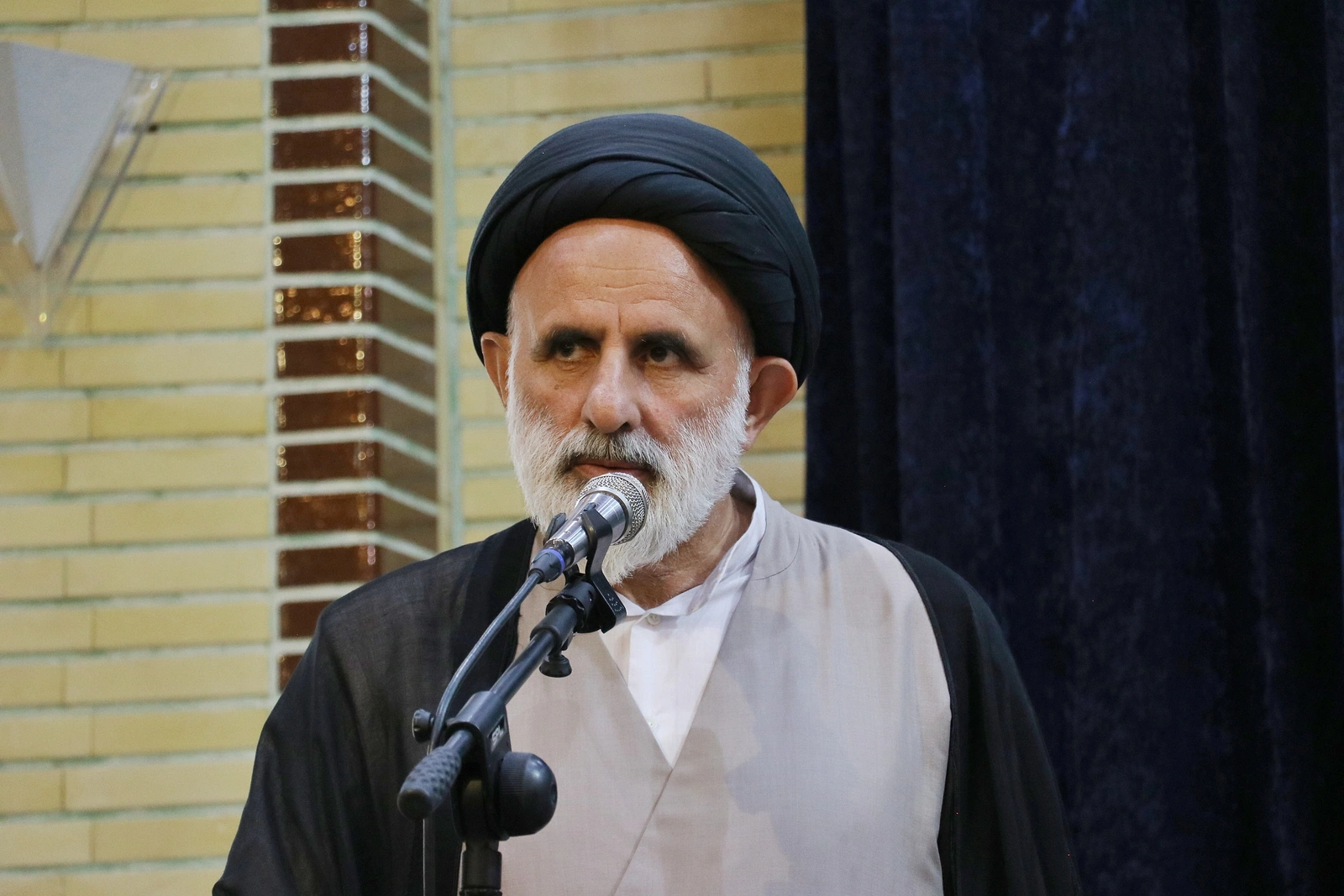
Highlighting the significance of science and knowledge in the worldview of the Revolution’s martyred leader, he regarded a re-examination of the leader’s scholarly and practical conduct as an opportunity to articulate the university's responsibility regarding the nation's future; he further emphasized the necessity of integrating knowledge, commitment, self-belief, and a sense of responsibility in the path toward Iran’s progress and excellence. This perspective positions the university not merely as a site for the generation and dissemination of knowledge, but as a hub for cultivating specialized, committed individuals who play a pivotal role in addressing the country's challenges.
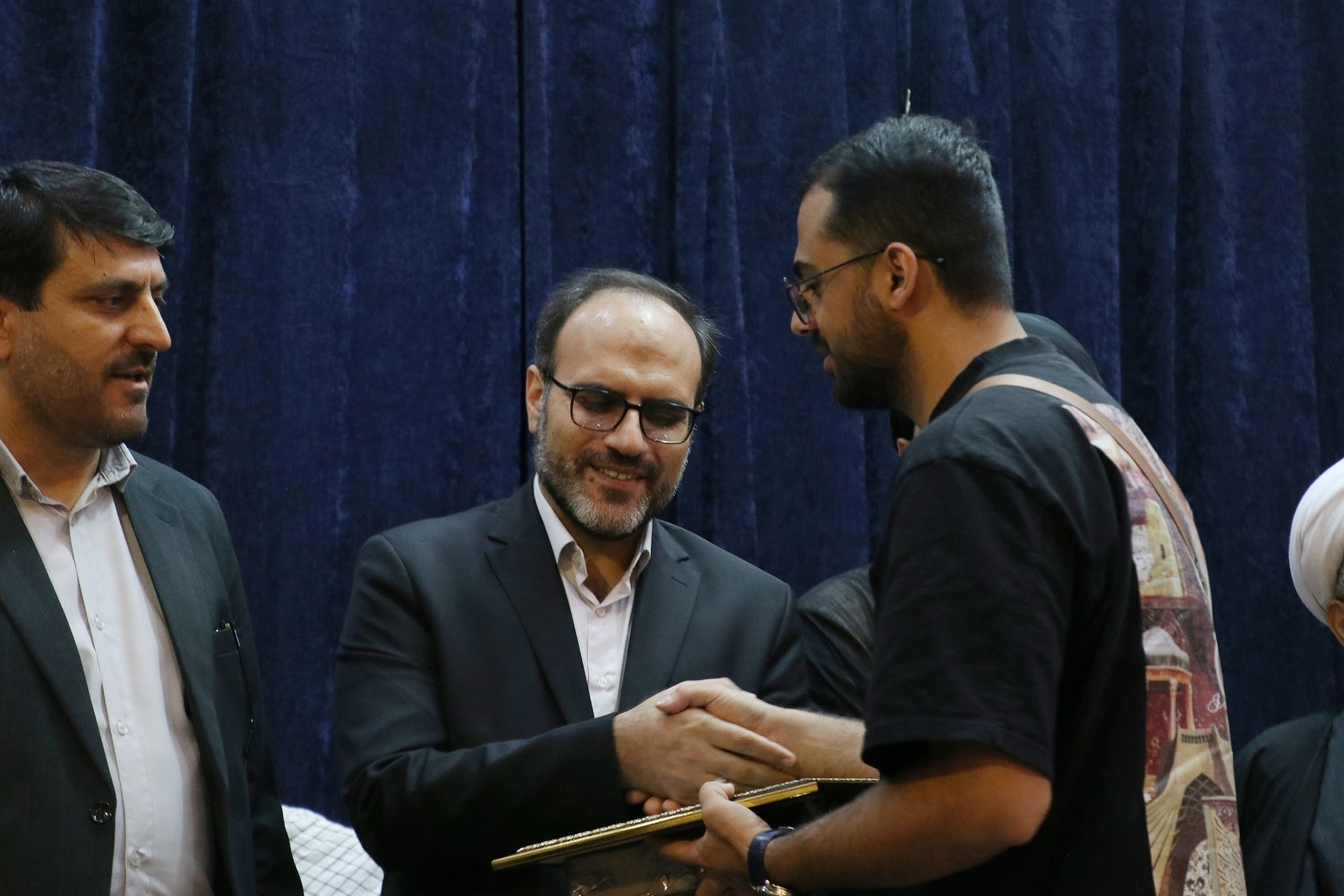
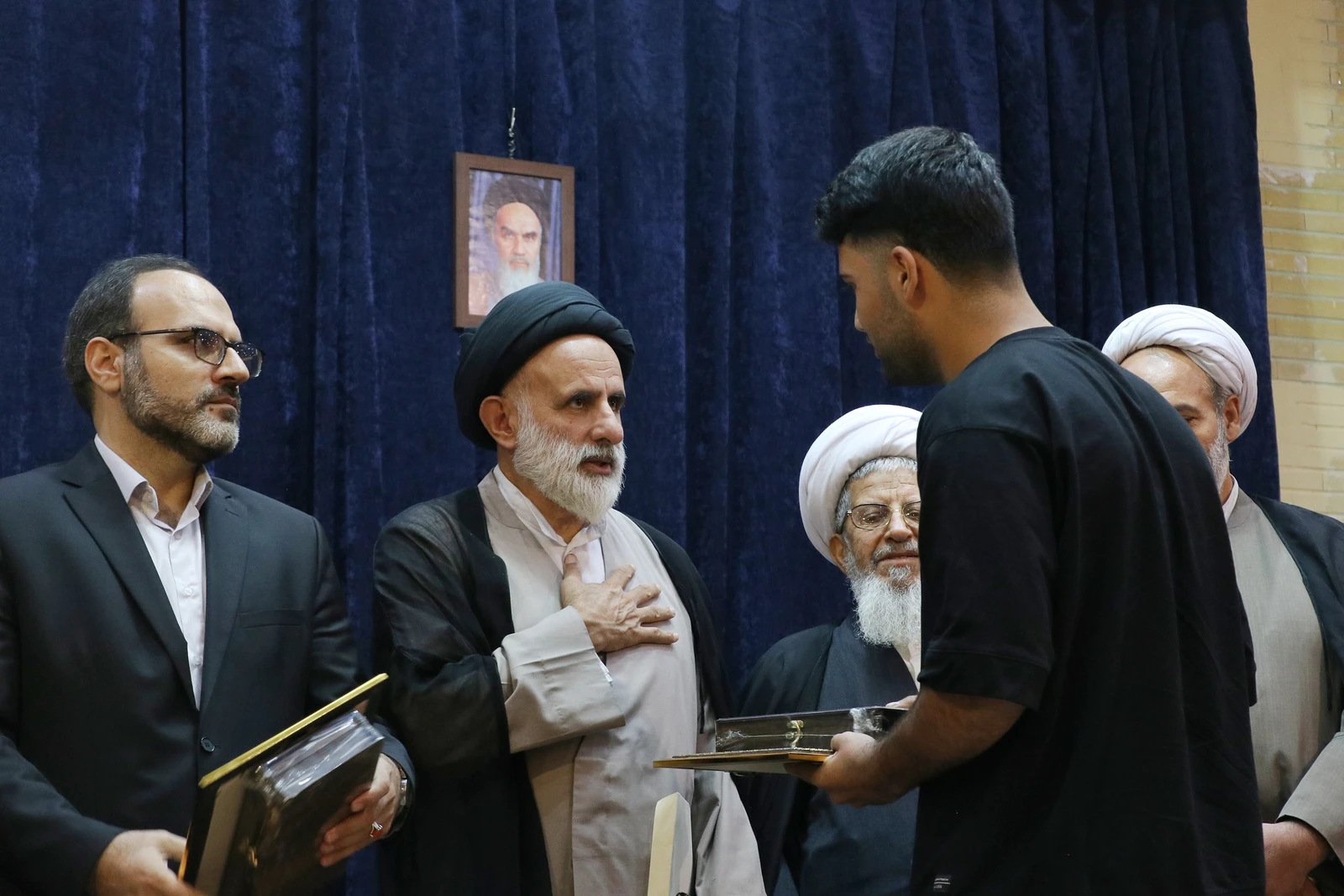
Honoring the families of student martyrs
At the conclusion of the ceremony, the families of the university's student martyrs were honored, and in a symbolic gesture, the *chafiyeh* (scarf) of the martyred Leader of the Islamic Revolution was awarded to one of the attendees via a lottery.