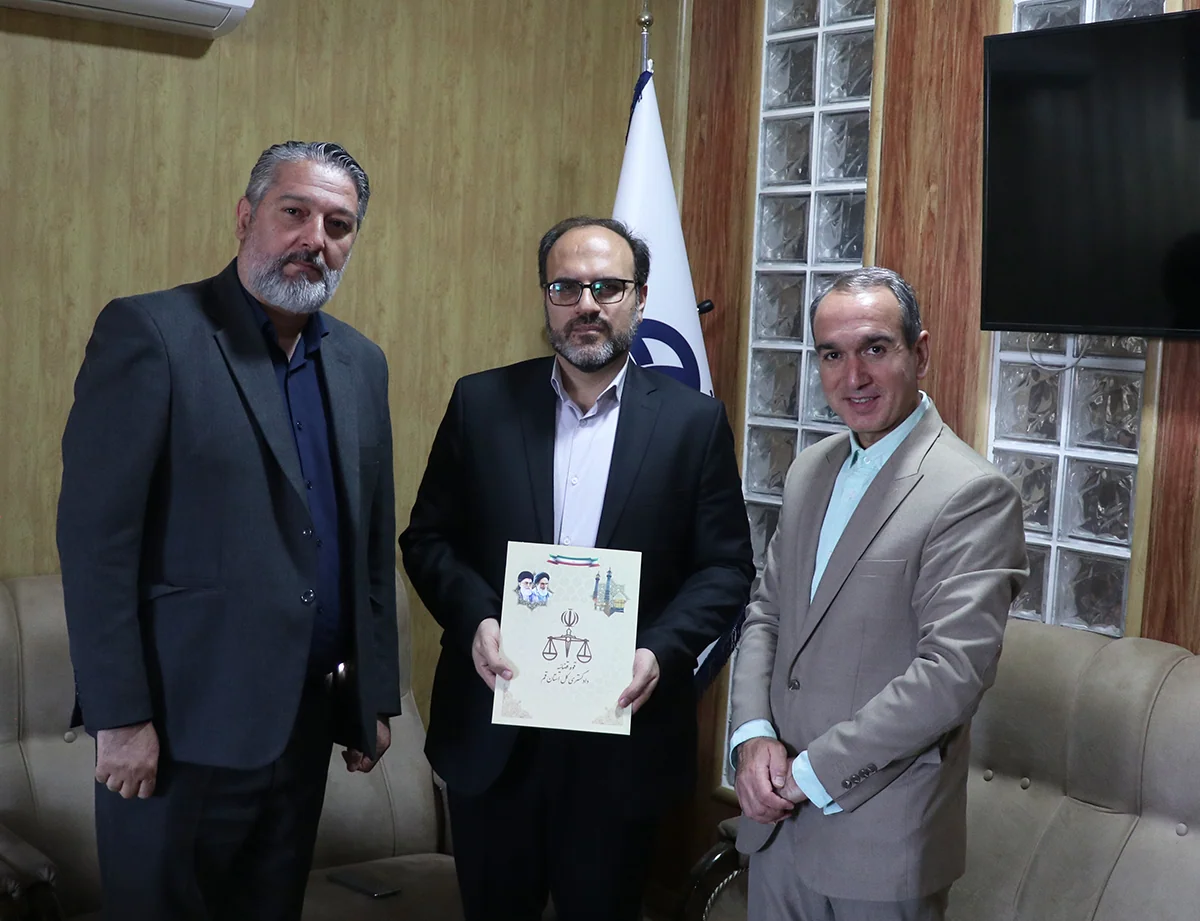
National SABR Peace and Reconciliation Council Established at Qom University of Technology to Promote a Culture of Tolerance and Reduce Judicial Caseloads
According to the Public Relations Office of Qom University of Technology, the **Peace and Reconciliation Council** has been established at the University in line with the Judiciary's national policies aimed at promoting community-based dispute resolution, fostering a culture of forgiveness and reconciliation, and reducing the number of cases referred to the courts.
The Council operates under the supervision of the **National SABR Headquarters** of the Qom Provincial Justice Department. *SABR* is the Persian acronym for **Peace, Forgiveness, and Reconciliation**. The Council serves as a specialized preventive mechanism for resolving disputes through mediation and amicable settlement before they enter formal and often complex judicial proceedings.
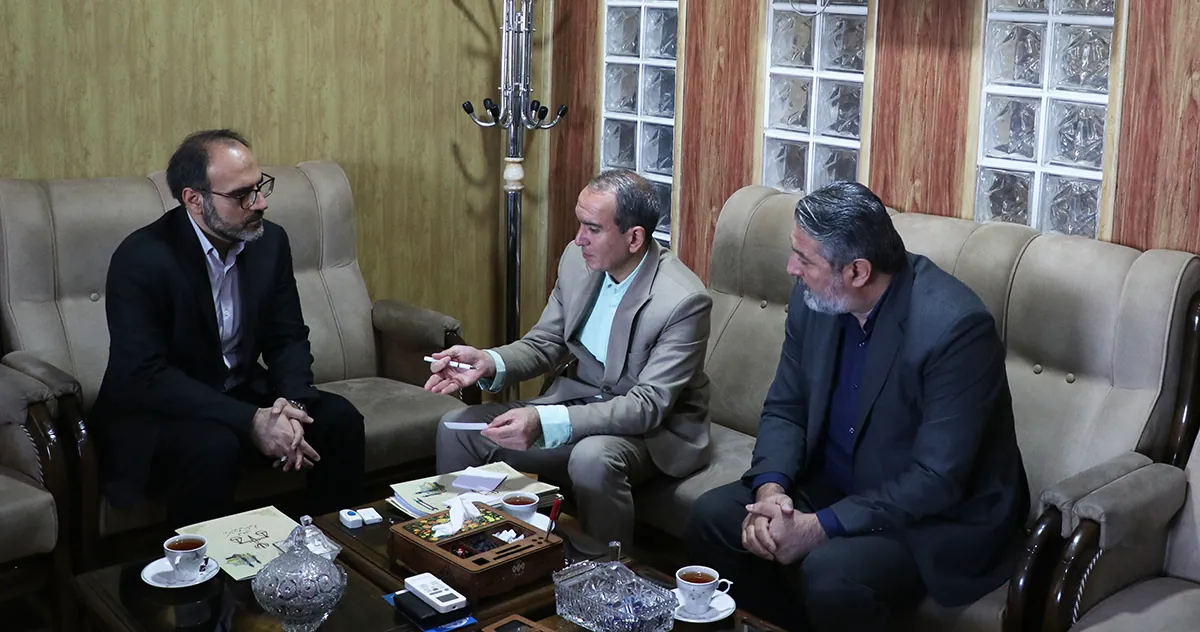
By engaging distinguished faculty members, university administrators, trusted staff, and legal experts as **Peace Facilitators** and **Ambassadors of Peace**, the Council seeks to resolve disputes through mediation and other amicable means. Its principal functions include:
* **Early intervention before legal proceedings:** Faculty members, staff, students, and other members of the public may refer their disputes to the Council before filing formal claims with the courts, Peace Courts, or Dispute Resolution Councils. They can benefit from professional guidance, mediation, and conciliatory services provided by the Council's members.
* **Reducing the cost and duration of dispute resolution:** Proceedings before the Council are free from the lengthy administrative procedures and litigation costs typically associated with judicial processes, enabling disputes to be resolved in a timely and efficient manner.
* **Preserving the dignity of the University community:** Resolving disputes within an academic environment, with the support of respected University leaders and experts, helps maintain psychological well-being, safeguard the dignity of all parties involved, and prevent unnecessary judicial consequences.
One of the Council's most significant legal features is the high level of recognition and enforceability of its settlement agreements within the judicial system. In accordance with the regulations of the National SABR Headquarters, when a dispute is successfully resolved through mutual agreement under the Council's supervision, the resulting settlement record and reconciliation report carry legal validity. Consequently, any concurrent or subsequent legal proceedings before Dispute Resolution Councils, Peace Courts, or General Courts concerning the same matter may be terminated on the basis of the Council's officially documented settlement.
The establishment of the Peace and Reconciliation Council represents an important step toward strengthening social resilience, promoting the values of Islamic ethics and reconciliation, and encouraging the constructive and peaceful resolution of disputes within the academic and scientific community of Qom Province.