
Quality is an Investment, Not a Cost
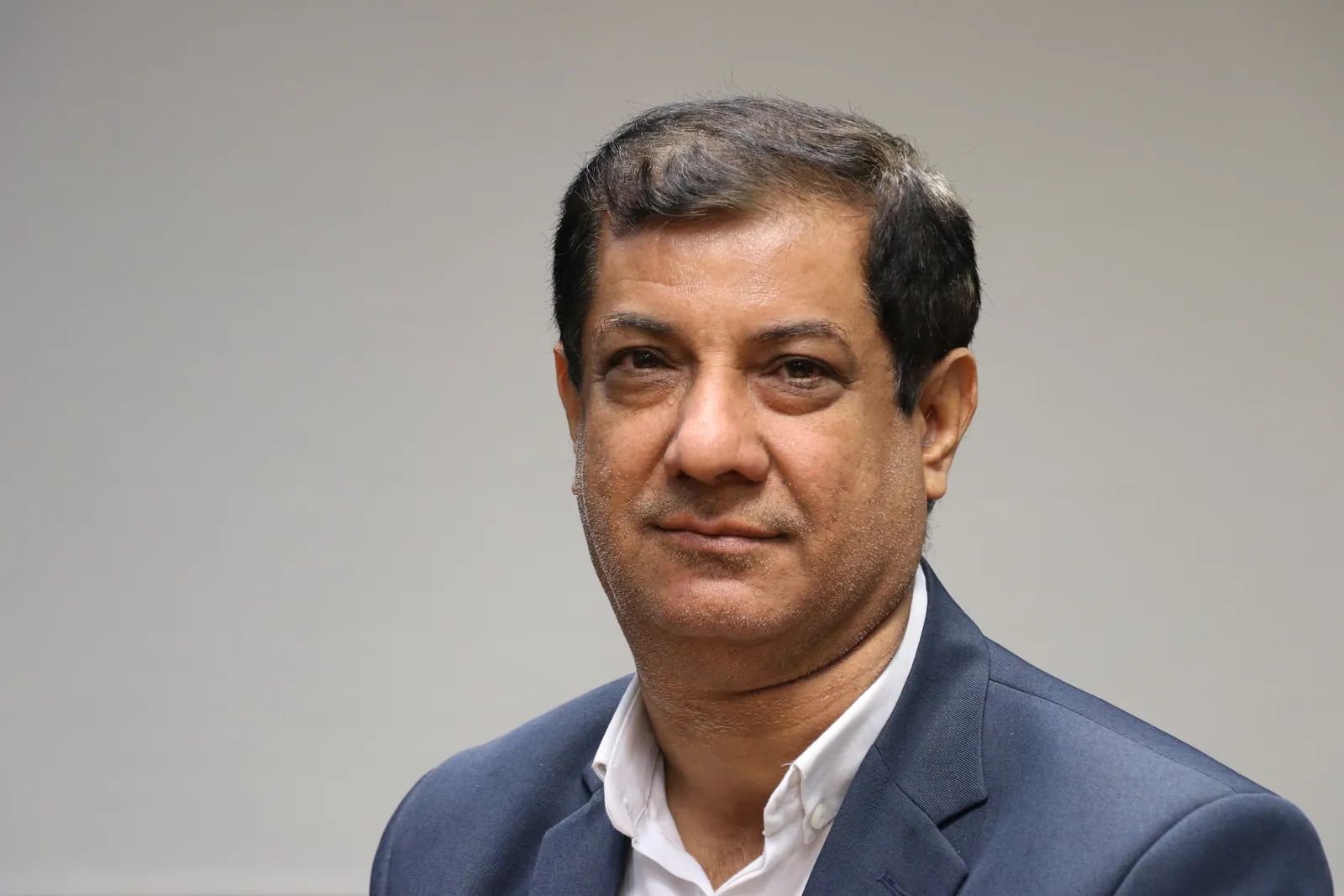
According to the Public Relations Office of Qom University of Technology and as reported by ISNA News Agency, Dr. Hajizadeh, a faculty member of Qom University of Technology, stated that by calculating quality-related costs—including prevention, appraisal, and failure costs—it becomes clear that investing in quality is not an expense but a profitable investment.
On the occasion of Quality Day, Fazel Hajizadeh explained in an interview with ISNA the perspective of industrial engineering on quality. He stated that in industrial engineering, quality is not something that is only evaluated at the end of the production line; rather, it must be embedded within the production process itself. In other words, proper execution must be ensured from the very beginning instead of inspecting and correcting defects after completion, because identifying and resolving issues early is significantly less costly than addressing them in the final product stage.
The faculty member of Qom University of Technology continued by stating that if a defective part is used at the beginning of a production line, it may force the entire assembly process to be dismantled, the part replaced, and retested. This leads to wasted time, materials, and financial resources. However, if the same defect is identified during the manufacturing stage of that component, the cost of correction is almost negligible.
### Quality Improvement as the Best Optimization Tool
He added that if only the final product (for example, a complete car) is inspected, a defect in the braking system caused by a faulty electronic component may only be discovered after full assembly. In such a case, everything must be disassembled again, the faulty part replaced, and the system retested—an extremely costly and time-consuming process.
Hajizadeh noted that quality control is implemented in three stages:
1. **Input control**, such as inspection of raw materials like steel sheets at the beginning of the process.
2. **In-process control**, where components are checked at each production stage (e.g., dimensions in stamping workshops or engine testing before installation).
3. **Final control**, which mainly serves as final verification rather than primary defect detection.
Regarding the relationship between quality, speed, and cost, he explained that many people assume improving quality necessarily reduces production speed or increases cost. However, from an industrial engineering optimization perspective, this is a short-term misconception, and in the long run, the opposite is true.
He further stated that relying solely on increased inspection and removal of defective products reduces production speed. This is similar to continuously cleaning a leaking pipe instead of repairing it.
From a long-term and systematic perspective, he emphasized that better quality increases real production speed and reduces costs. Each defective product represents wasted materials, energy, and labor. By ensuring correct production from the start, this waste is eliminated, production lines operate more smoothly, and machine breakdowns are reduced.
He also highlighted that improved quality reduces the need for extensive final inspection, making the production flow more continuous and efficient—like a smooth-running river. Ultimately, better quality not only does not hinder production but also ensures higher speed and profitability.
### Human Resources as the Key Factor in Quality
Hajizadeh emphasized that the most important factor in production quality is the human element. Without proper attention to human resources, even the most advanced machinery cannot deliver desired quality outcomes.
He identified fatigue, excessive workload, lack of training, low motivation, poor working environments (such as non-ergonomic workstations, low lighting, and noise), and a culture of blame and concealment as major challenges affecting quality.
He proposed several industrial engineering solutions, including ergonomic workplace design, standardization of processes through clear and simple instructions, visual management systems using colors and signals to quickly communicate information, employee empowerment, and the formation of quality circles to involve workers in problem-solving.
He also stressed that standardization acts as a roadmap in every factory, ensuring consistent, reliable output regardless of who performs the task or which shift is involved. Standardization, he noted, is the first step toward continuous improvement.
Finally, he explained the PDCA cycle (Plan, Do, Check, Act) as a four-step improvement framework used in industrial engineering to enhance processes continuously.
### Financial Value of Quality
He stated that the financial value of quality can be precisely calculated by dividing quality costs into four categories:
* Prevention costs (training, process design, planning)
* Appraisal costs (inspection and testing)
* Internal failure costs (scrap, rework, production stoppage)
* External failure costs (complaints, warranty, returns, loss of brand reputation)
He emphasized that investment in prevention and appraisal significantly reduces failure costs, and if savings exceed investment, the effort is economically justified.
He also explained that quality generates both direct savings and indirect benefits such as customer retention, increased sales, improved loyalty, and premium pricing due to brand reputation.
### “Green Industry” as a Profitable Investment
He argued that environmental sustainability is not a cost but a profitable investment. Reducing waste lowers material, energy, and time consumption while also reducing pollution.
He further highlighted circular economy models, green supply chains, customer trust in environmentally responsible companies, and improved market access as key economic advantages of sustainable practices.
### Quality as the Driver of Productivity
In conclusion, Hajizadeh stated that quality is a key driver of productivity. Contrary to common belief, higher quality increases speed and reduces cost in the long term by minimizing waste, avoiding downtime, and reducing inspection needs.
He emphasized that human-centered design, continuous improvement, standardization, and environmental sustainability are interconnected elements of a unified system that leads to sustainable and profitable organizations.