The 50th Meeting of Educational Deputies of Universities and Higher Education Centers Across the Country
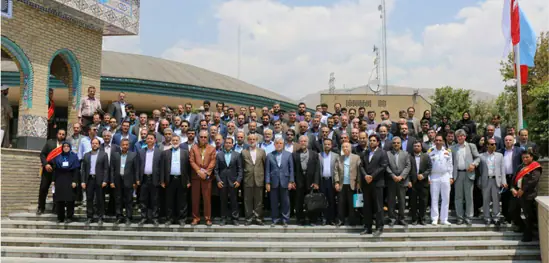
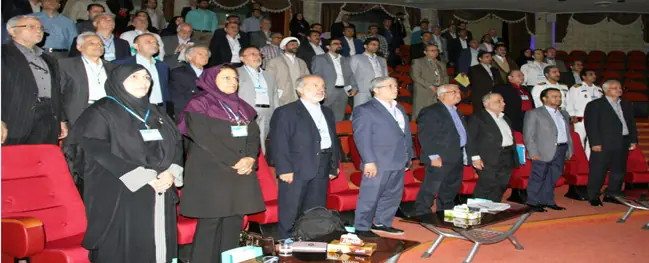
According to the Public Relations Office of the university: The fiftieth meeting of educational vice-chancellors from universities and higher education centers across the country was held on August 9, with the presence of the Deputy Minister of Science, Research and Technology at the central organization of Payame Noor University.
This conference, centered around "Higher Education; Quality and Transformation" and with an emphasis on the provisions of the Sixth Development Plan, discussed the current status and challenges facing higher education in the country, the necessity for reflection on the functions of universities and higher education, comparative studies on the government's role in developing higher education; the status of humanities, student assessment and admission systems, solutions for enhancing higher education institutions, challenges, solutions, and strategies for improving quality, regional management, and the establishment of the Higher Education System (HES) with insights from invited experts. The perspectives of educational vice-chancellors participating in the conference were critically evaluated.
Dr. Mojtaba Shariati Niasar, the Deputy Minister of Science, Research, and Technology, following his remarks regarding the educational system, stated that 37% of the country's student population is in Islamic Azad University, 16% in public universities, 16% in Payame Noor University, 11% in the University of Applied Science and Technology, 5% in technical and vocational universities, 2% in Teacher Training University, and the remainder in other universities and higher education institutions.
In this meeting, which was also attended by Dr. Fadaei, Vice Minister of Education and Research of Qom Industrial University, Dr. Shariati Niasar continued, stating that 48% of students are in the humanities group, 32% in the engineering group, 6% in the basic sciences group, 6% in medicine, and the rest are engaged in other groups of study.
He noted that 46% of students are female, and 54% are male, saying that 47% of faculty members in the country hold assistant professorships, 35% are still at the instructor level, and 5% are full professors.
Dr. Shariati Niasar emphasized that the trend of establishing higher education institutions has been gently rising from 1994 to 2004, reaching 44 cases, while witnessing a dramatic increase in non-governmental institutions from 2005 to 2012.
The Deputy Minister of Science later presented various statistics, ultimately highlighting the necessity of enhancing quality in higher education, stating that all universities and higher education institutions must prioritize quality, and other universities that fall under the systems of higher education should also seriously consider this issue.
At the end, the conference participants, while affirming the recent responsible actions by the Ministry of Science, Research and Technology regarding organizing and regulating the expansion of universities, programs, and levels of university education, expressed hope for the coordination and alignment of the new management of Islamic Azad University with the policies and decisions of the Higher Education Expansion Council. They declared their readiness for active participation in advancing and implementing the higher education assessment plans, moving towards mission-oriented strategies, and addressing local, provincial, regional, and national issues based on the established missions. They also called on the Minister of Science, Research, and Technology to improve the current state of education and research.