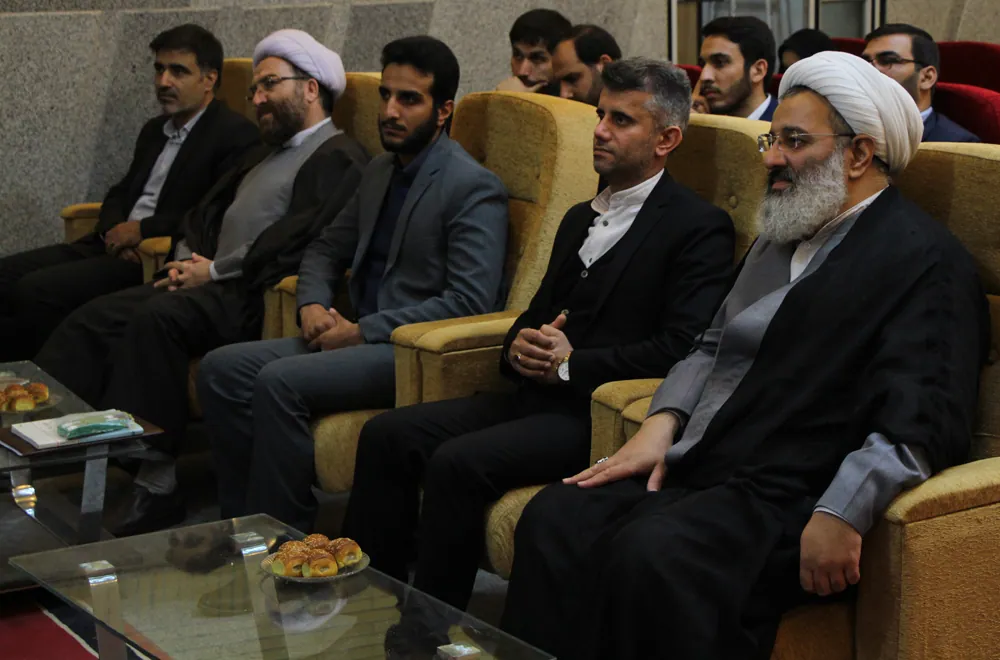
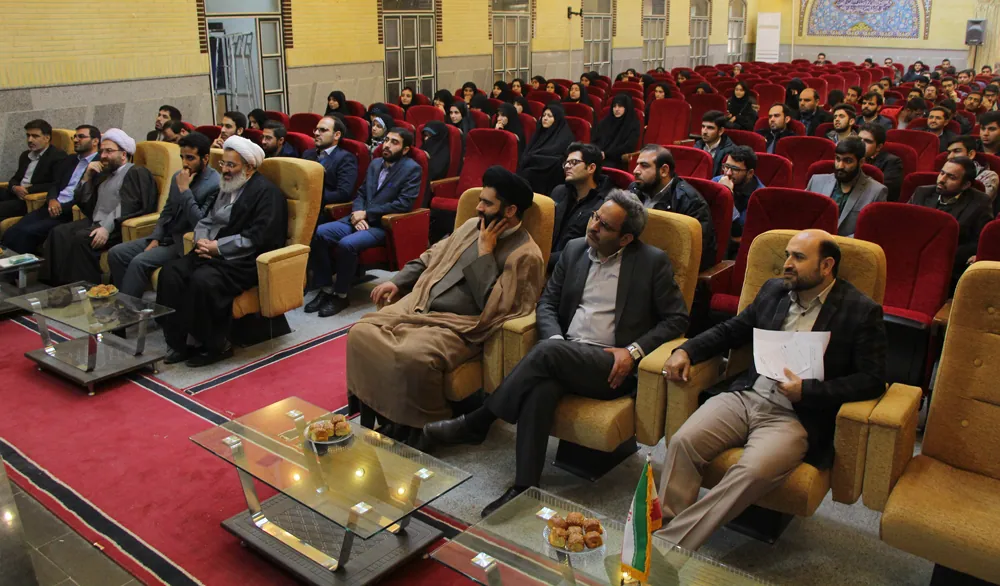
The presence of the great general from the days of war was observed at Qom University of Technology.
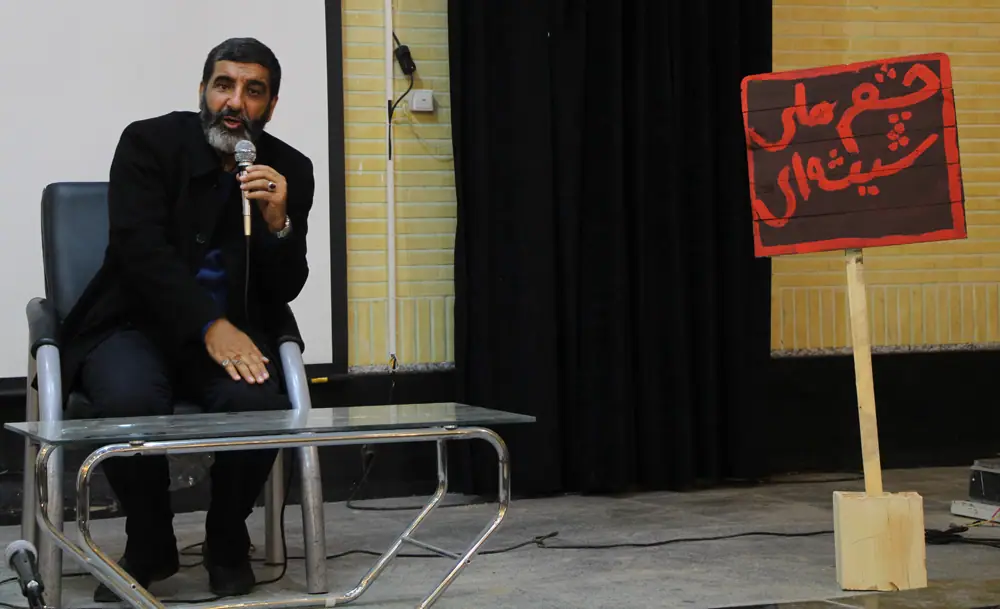
According to the university's public relations office: On the occasion of the Basij Day, a grand conference titled "Revival" was held with the presence of the renowned commander of the war days, Hajj Hossein Yekta, and Professor Foroughi, an international Quran reciter, organized by the student Basij at the Shahid Akhoundi Conference Hall of Qom University of Technology.
Hajj Hossein Yekta shared memories of Operation Valfajr 8 and the counterattacks at the salt factory in Fao. He stated: During the eight years of the Holy Defense, the Islamic warriors made numerous sacrifices in various operations, each of which holds significant importance in its own right. Among these, Operation Valfajr 8 was noticeably different from many other operations, as its execution was deemed impossible on paper by most military commanders around the world. The war commander said: Crossing rivers has always been one of the challenges for armies worldwide; however, the forces operating in this operation astonished the world by crossing the Arvand River, which is known as the Wild River. He added: With the liberation of Khorramshahr, the enemy retreated into a defensive position against the Iranian warriors. The victories that followed revealed Iran's superiority in the southern fronts. This trend continued until 1985, marking the beginning of Iran's offensive towards the Fao Peninsula. He emphasized that ultimately, after resolving crucial operational challenges, completing the maneuver plan, securing necessary support, and organizing command posts and units, the order for the operation was initiated by the Commander-in-Chief of the IRGC with the reading of the codeword "Fatemeh Zahra." The IRGC's ground forces commenced their assault on the designated axes with the planned fire support and began breaching the enemy lines. Hajj Hossein Yekta said: The expansion of the situation and the achievement of operational objectives on the first night was so unexpected that the supporting forces, which were supposed to be engaged in subsequent operational phases by the second morning or the second night, arrived in the area by twelve that night. After clearing the first line, there were two major issues facing the warriors: one was encircling the city, and the other was securing the coastal axis located in the northern flank. Regarding the liberation of Fao, he mentioned: Iran's military presence in Fao indicated the instability of the Baghdad regime and the weakness and inadequacy of the Iraqi army. After failing to swiftly retake Fao, the enemy adopted a slow, cautious approach to possibly seize more limited sections.
This war commander discussed the reaction of Iraqi forces following the Iranian victory in Operation Valfajr 8, stating: The enemy had to utilize mechanized armored forces for their counterattack, but the marshy terrain made it significantly arduous for them, and the strong presence of Iranian forces there restricted the enemy's maneuverability. Additionally, considering that part of the area is covered with palm trees, another solution was close combat in the palm groves. However, the enemy forces lacked the capability and morale to carry out such operations.
Hajj Hossein Yekta considered the war days to be very memorable and added: Our youth must enjoy life, but in a manner free from sin. In this way, our youth will fulfill a part of their duty to the martyrs.
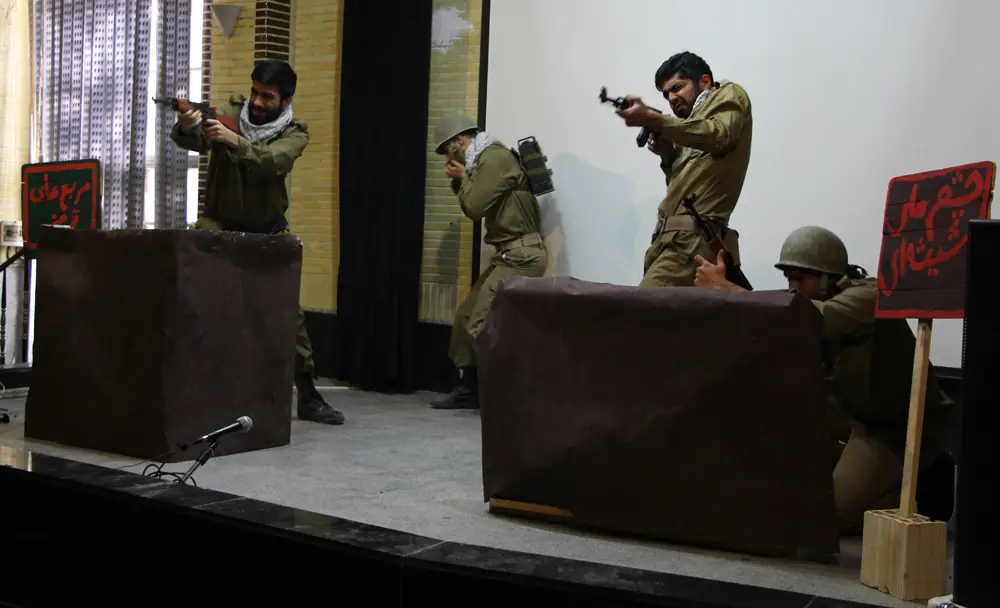
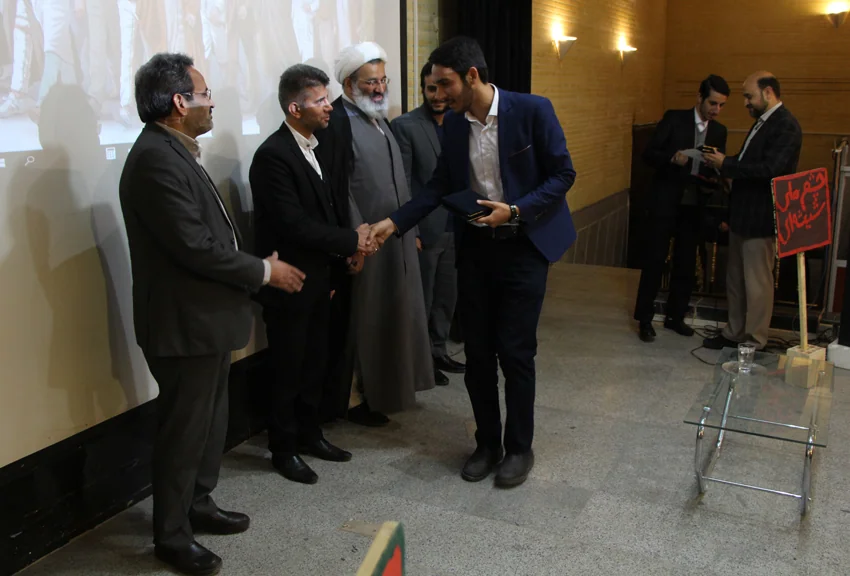
Honoring the winners of the photography contest and performing a play based on the stories from the book "Red Squares" written by Hajj Hossein Yekta were other segments of this conference.