Deputy of Administrative and Financial Affairs of the Ministry of Science Visits Saipa: We Must Increase the Penetration of Knowledge in Industries
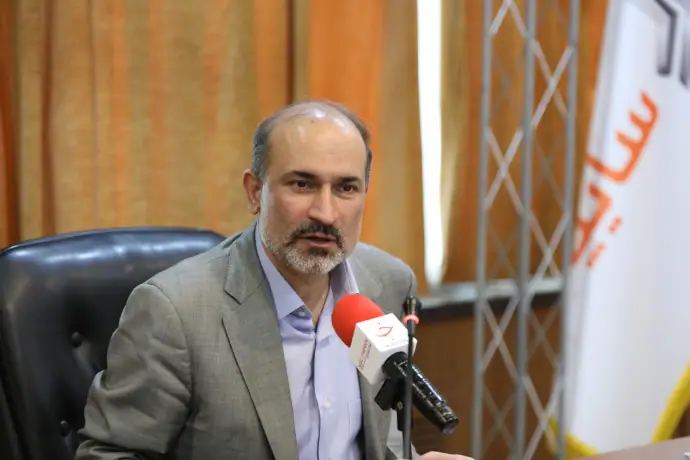
According to the Public Relations of the university and quoting the Public Relations of the Ministry of Science, Research, and Technology: the Deputy for Administrative, Financial, and Resource Management of the Ministry of Science, Research, and Technology, referring to Iran's top rank in the region in terms of scientific production, stated: To make optimal use of the knowledge and science of the country, we must increase the penetration rate of knowledge in industries, including the automotive sector.
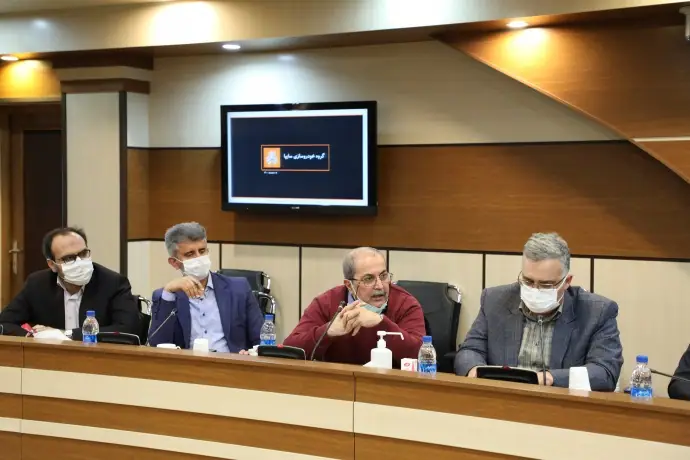
Dr. Ali Khatibi, during a meeting with the Saipa automotive group, which included officials from the Ministry of Science, Research, and Technology and the heads of several universities including Qom University of Technology and officials from the Saipa automotive group aimed at developing collaborations between industry and academia and examining ways to facilitate this connection, stated: The interest of international industries and companies in Iranian graduates shows that the level of literacy and the quality of science in our universities is high, and we must utilize this knowledge in domestic industries, including the automotive sector, to reduce the gap between the automotive industry and global knowledge.
He added: We, as academics, feel responsible for the issues present in society and when the Supreme Leader emphasized the necessity of enhancing the quality of the automotive industry; we also hold ourselves responsible to stand alongside the country's automakers and with the reliance on science and graduates, contribute to improving product quality.
The Deputy for Administrative, Financial, and Resource Management of the Ministry of Science said: The Supreme Leader emphasizes that the economy must be resilient against international shocks. He considers the foundation of a resilient economy to be knowledge-based. Therefore, everyone must strive to realize this concept.
He pointed out that the reason for Iran's success in the defense industries is the utilization of the capacities of universities and moving at the forefront of global knowledge, stating: This model should be continued in other industries as well.
Dr. Khatibi pointed out that according to reputable global indices, we rank 16th in the world in scientific production and first in the region, stating: We have not effectively utilized our scientific capabilities and consumption of knowledge to achieve public satisfaction.
He mentioned that the sanctions on certain products, such as masks, necessitated the use of university capacities, and today we are exporting masks, adding: We must institutionalize the culture of utilizing domestic knowledge and resisting the import of foreign products in the country.
The Deputy Minister of Science addressed the managers of Saipa by saying: Trust the universities, and you will certainly not regret this trust.
Dr. Khatibi mentioned the establishment of a science and technology park for the automotive industry aimed at establishing knowledge-based companies related to automotive industries and granting research and technology grants by automakers to university researchers as practical solutions for the connection between universities and automotive industries such as Saipa.
Saipa's readiness for collaboration with universities
Mohammad Ali Teymouri, CEO of Saipa, also stated at this meeting: In the automotive industry, especially in the electronic components sector, we need collaboration with universities and are ready to enter contracts and pay costs according to project progress so that our automotive industry grows, public satisfaction increases, and technical knowledge in universities follows its natural growth path.
During the meeting, the presidents of the country's universities present indicated that there are many faculties of mechanical engineering, electrical engineering, and research institutes related to automobiles in the country, and the technical knowledge related to the automotive industry in universities is at a high level, stating: We are ready for close collaboration with Saipa and the establishment of Saipa offices in universities can help realize this collaboration.
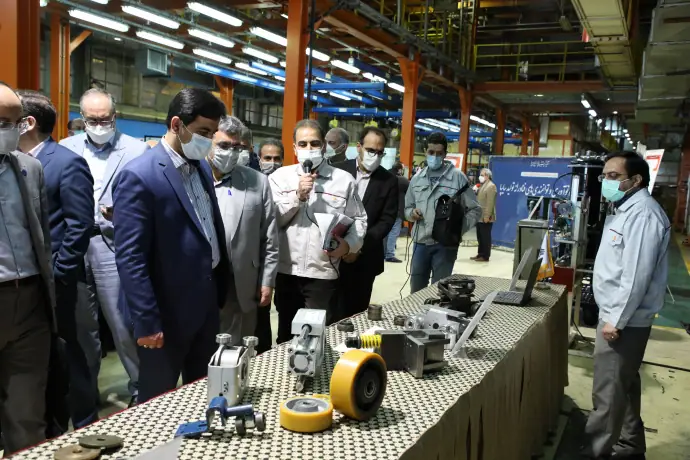
At the end of the meeting, the Deputy for Administrative, Financial, and Resource Management of the Ministry of Science and the heads of the present universities visited various sections of Saipa, including the production line of the Shahin car.